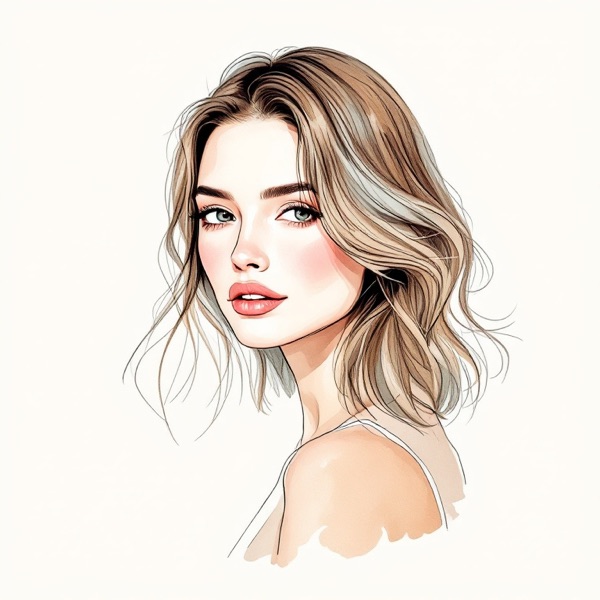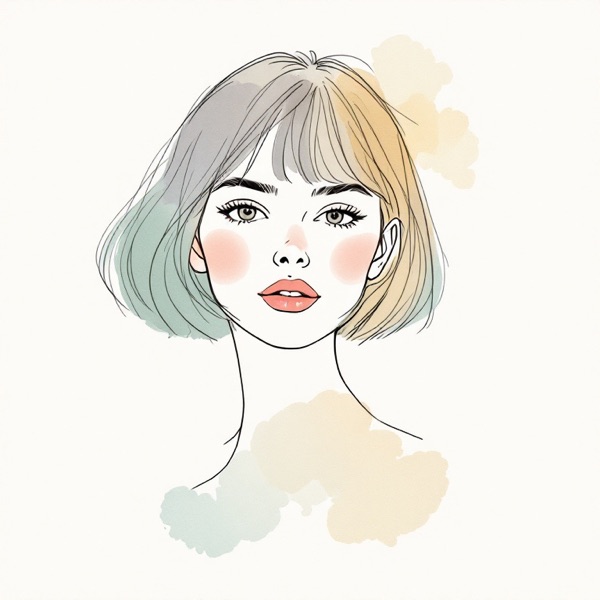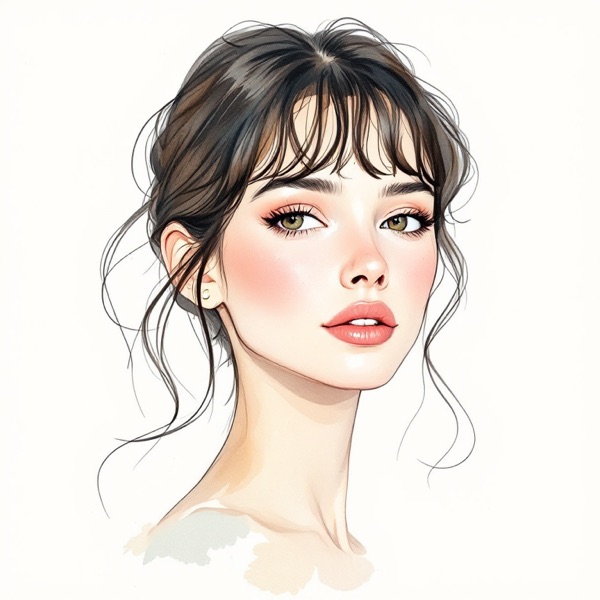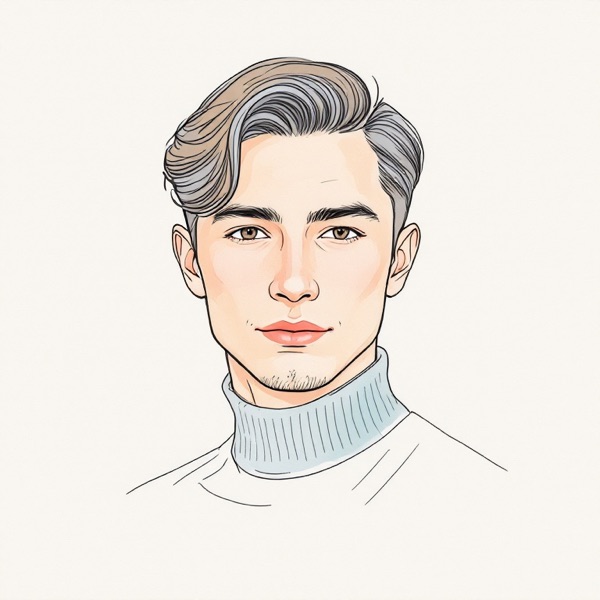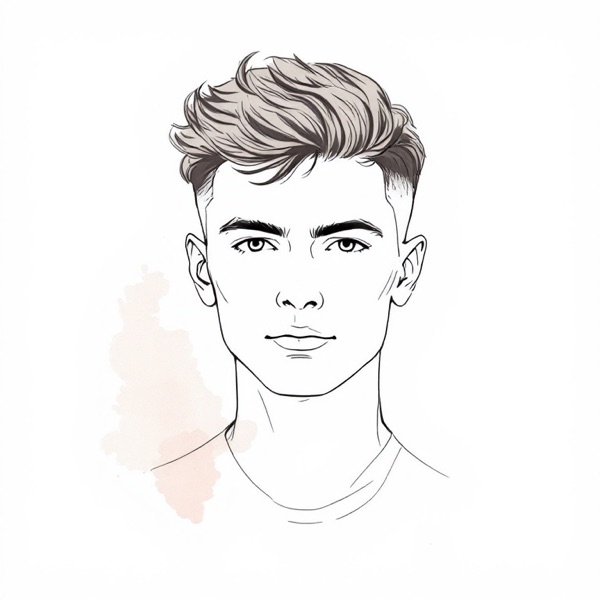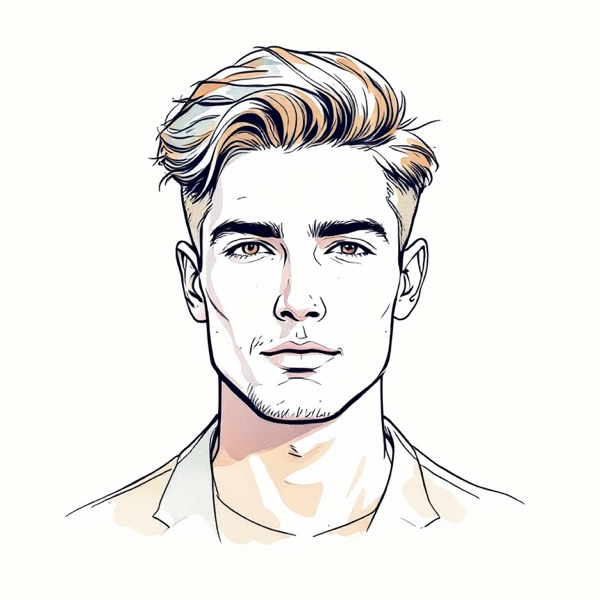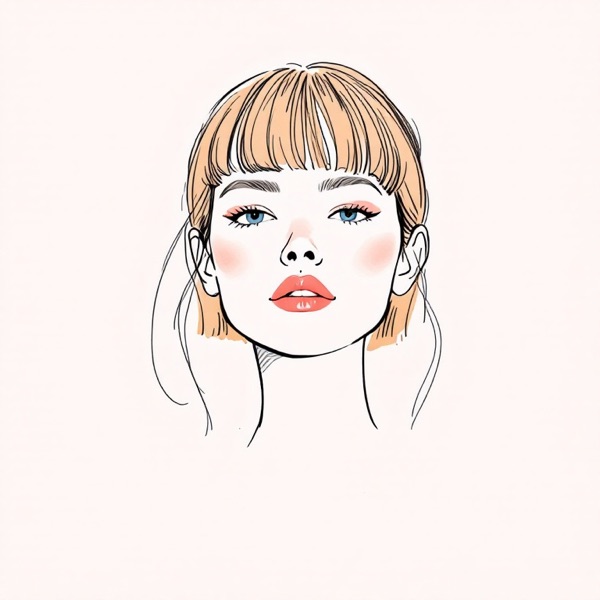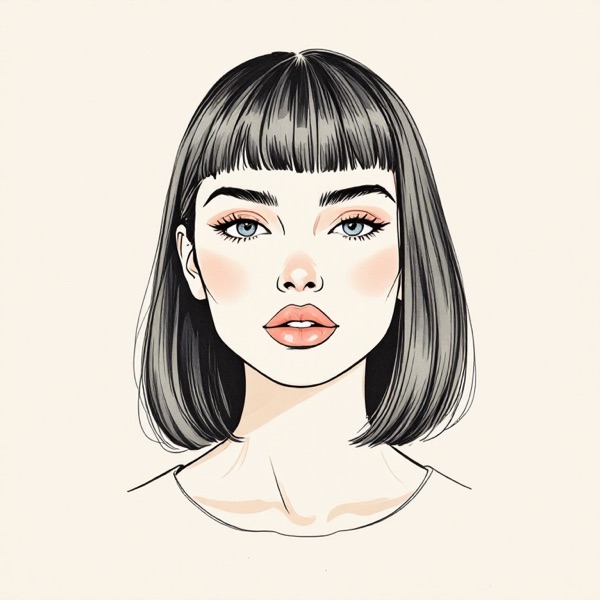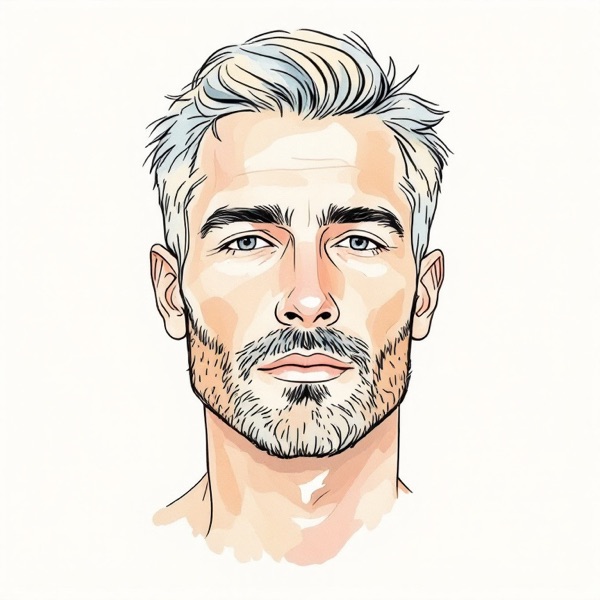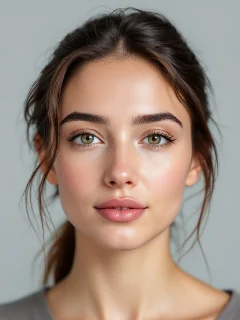
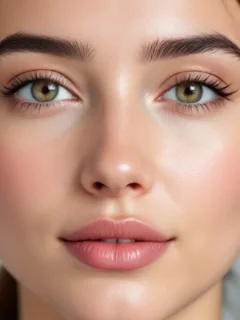
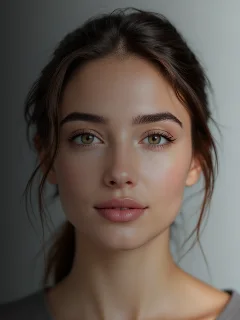
What an oval face shape looks like
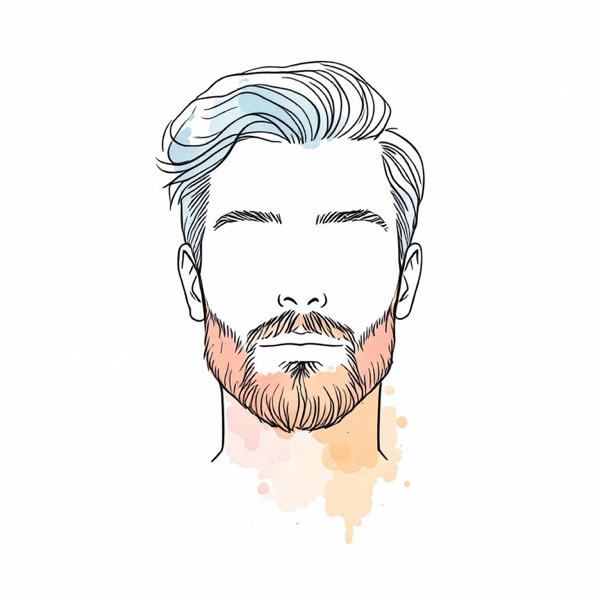
An oval face shape is longer than it is wide, and its width changes gradually from top to bottom. The cheekbones are the widest point; the forehead is a little narrower, the jaw a little narrower again, and the jaw corners curve into a softly rounded chin rather than turning at an angle. Measured from hairline to chin, the length of an oval face is about 1.3 to 1.5 times the width across the cheekbones.
Oval is often used as the reference shape in styling guides, not because it is better than other shapes but because its gradual widths make a convenient midpoint for describing the rest. Every face shape is a set of proportions, and styling is about balance, not correction.
How to tell if your face is oval
You need a soft tape measure and a mirror.
- Face length: from the center of your hairline to the bottom of your chin.
- Cheekbone width: between the outer points of your cheekbones, just below the outer corners of your eyes.
- Forehead width: across your forehead at the brow line.
- Jaw width: from one jaw corner, just below the ear, to the other.
Divide the length by the cheekbone width. On an oval face shape the result lands between about 1.3 and 1.5, the cheekbones are the largest of the three widths, and the jaw is no wider than the forehead. Then check the jaw corners in the mirror: they should curve smoothly into the chin.
To skip the tape, use the face shape detector. It places 478 landmark points on a selfie inside your browser, and the photo is never uploaded. Its face mesh starts at the top of the visible forehead, not the hairline, so it converts to a hairline-based estimate before deciding the shape; the length ÷ width number in the free result is the raw on-screen ratio and reads lower than a tape-measure figure. The cut-offs are still being tuned on annotated test photos, and a face near a boundary gets "Between X and Y" instead of a forced answer.
Long oval, oblong, round or heart?
- Long oval vs oblong. A long oval face shape sits right next to an oblong face shape, with a ratio close to 1.5. The difference is in the widths: an oval face narrows from the cheekbones toward the jaw, while an oblong face keeps forehead, cheekbones and jaw within about 10% of each other, so its sides look straighter. Near the line, expect Between Oval and Oblong.
- Oval vs round. A round face shape has similar soft corners but is barely longer than it is wide, at most about 1.25 times the cheekbone width.
- Oval vs heart or diamond. A heart-shaped face has a forehead about as wide as the cheekbones and a noticeably narrower jaw that ends in a pointed chin. A diamond face shape has a forehead and jaw that are both clearly narrower than the cheekbones.
Hairstyles for an oval face shape
Because the widths change gradually, most cuts, frames and necklines work with oval face shapes, and the choice comes down to taste and upkeep. The more useful question is what would tip the balance:
- A heavy blunt fringe cuts across the visible length and makes the face read shorter and wider.
- Long, flat sides over the cheekbones cover the widest point the shape relies on.
- Extreme height on top, such as a teased crown or a tall pompadour, stretches the face toward oblong.
Women's hairstyles. Long layers are an easy place to start on an oval face shape: with the first layer at the cheekbones and the ends past the collarbone, the cut follows the curve the face already has, and the layers keep long hair from lying flat against the cheeks. A lob does the same at collarbone length, with light face-framing at the front, and it is easy to grow longer or trim shorter from there. Curtain bangs part in the middle and fall to either side, so they soften the forehead without the straight line that makes a heavy fringe shorten the face; ask for them to end around the cheekbones. For short hair, a pixie cut with some volume at the crown shows the whole outline, soft jaw curve included. Soft waves add texture at any length without moving the widest point, and a sleek low ponytail pulls everything back so the even proportions show. If two of these appeal to you, let your hair texture and your morning routine decide; the shape rules out neither.
Men's hairstyles. A classic side part with a moderate lift is a dependable everyday cut: it adds one clean line and leaves the proportions as they are. A textured crop keeps the sides short and puts movement on top, which holds the width where it already sits and takes little more than a dab of matte product to style. A moderate quiff adds lift at the front; the word that matters is moderate, since a tall pompadour pulls an oval face shape toward oblong. A buzz cut shows the outline exactly as it is, and the gently curved jaw carries it well. With more length to work with, a medium-length flow that ends around the ears keeps the cheekbones in view, and a taper fade with a light fringe frames the forehead without covering much of it. The two to pass on are a heavy fringe pressed flat, which cuts the visible length, and long sides that hang over the cheekbones. Shorter cuts such as the crop and the fade hold their outline best with a trim every few weeks.
If you have a long oval face shape, favor curtain bangs or a curtain fringe and keep the lift on top modest. Beards work best trimmed to follow the natural jawline: light stubble, a short boxed beard or a trimmed full beard keeps length and width in step.
Frames, necklines, earrings, hats and makeup
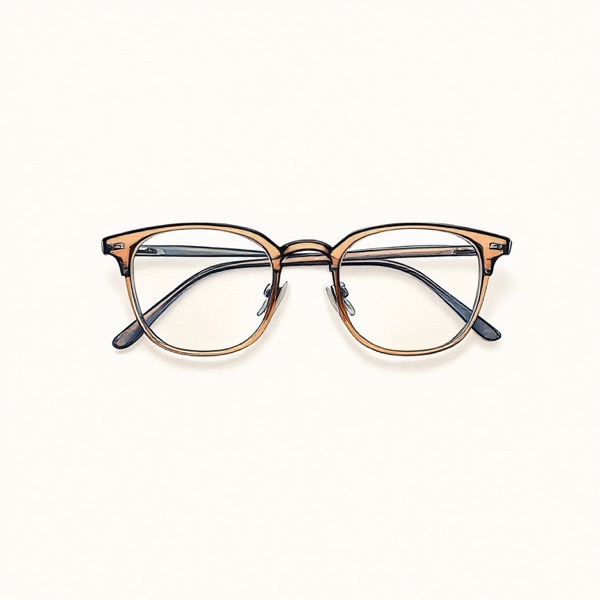
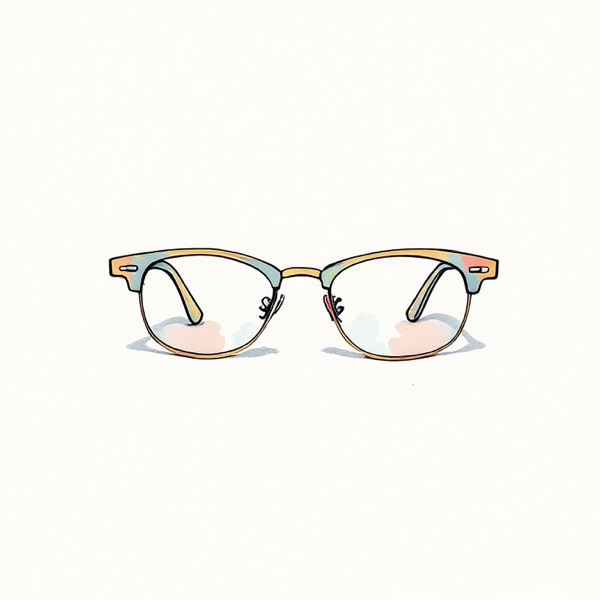
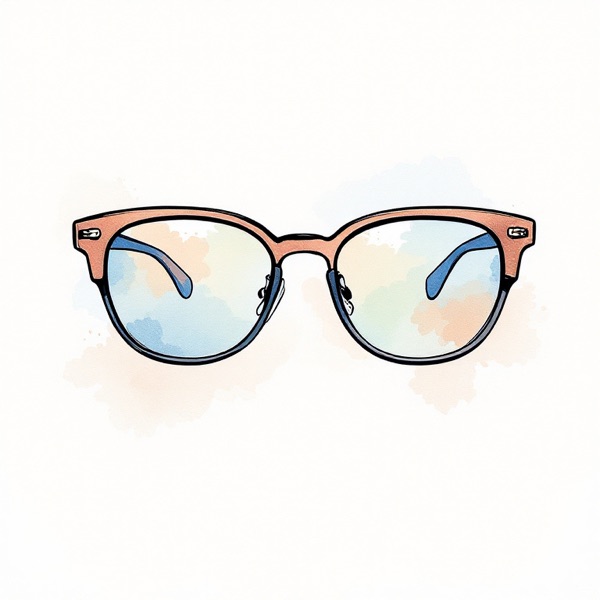
For glasses, look for frames about as wide as your face at the temples. Rectangular frames add gentle structure, round frames echo the jaw, and a frame whose top edge is a little wider than the bottom repeats the line of the cheekbones. Oversized frames that reach past the cheekbones, or very narrow lenses, are the ones to pass on. Sunglasses are often cut larger than optical frames, so the same width check matters even more there. On a long oval face shape, a slightly deeper lens balances the length.
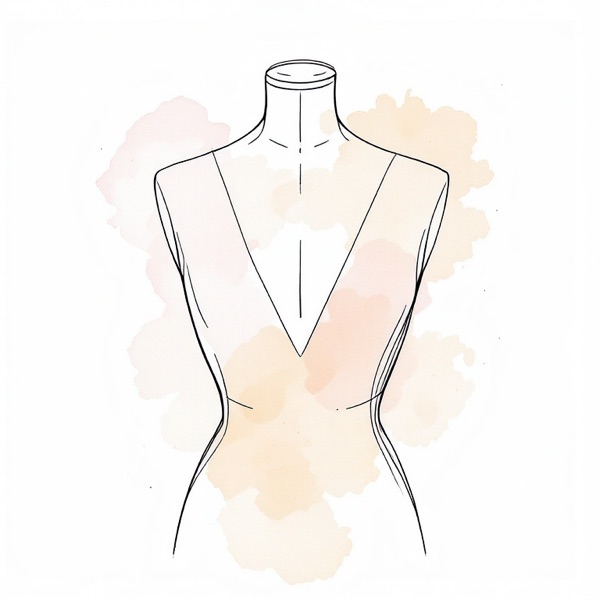
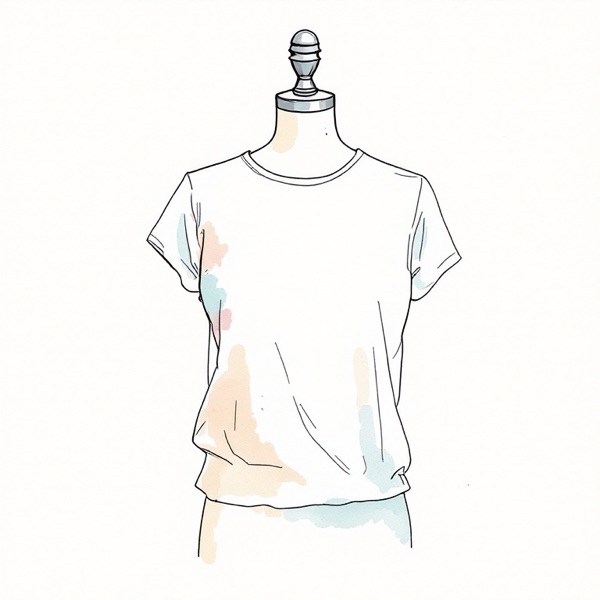
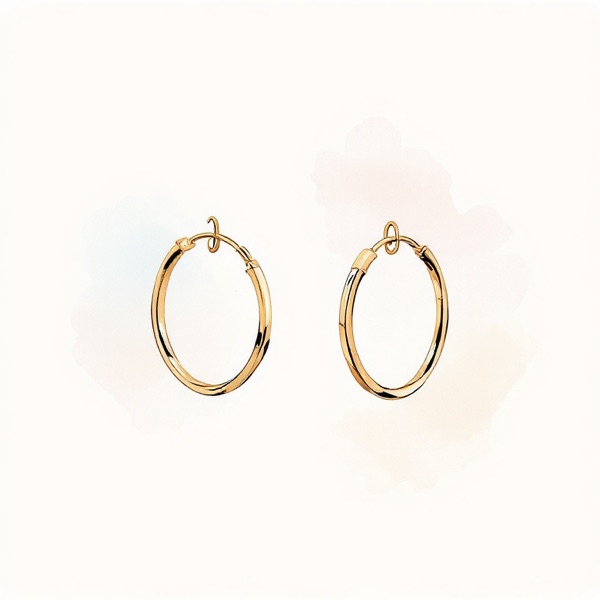
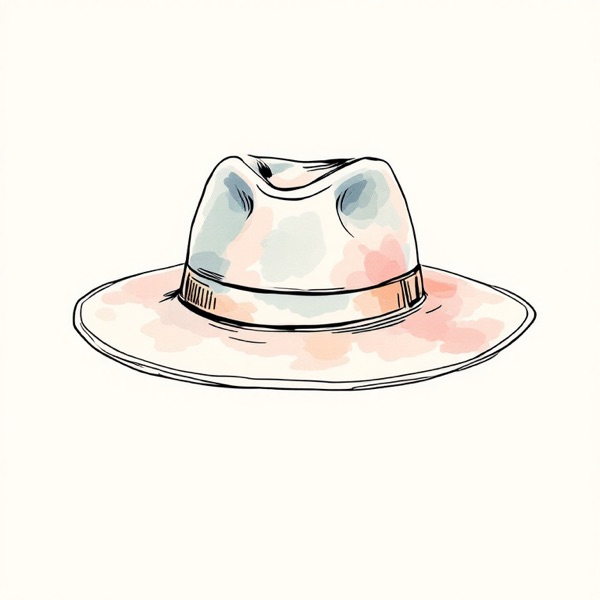
A V-neck, a crew neck or an open collar keeps the outline neutral. An oversized funnel neck crowds the jaw, and a very wide boat neck makes the face look narrower by contrast. Small hoops, teardrops and studs sit well with the curve of the jaw; very long linear drops add length the face doesn't need, and oversized round discs compete with the cheekbones for width. For hats, a medium-brim fedora or a cuffed beanie worn just above the brows stays in proportion, while a very tall crown adds height.
Makeup can stay light: a soft contour under the cheekbones, with highlight at the center of the forehead, under the eyes and at the center of the chin.
Why a photo can misread an oval face
Many mix-ups come from the photo rather than the face. Bangs over the forehead shorten the visible length, so an oval face can read rounder than it is. Tilting your head up or down changes the apparent length, a big smile widens the cheeks, and a phone held close distorts proportions. For the scan, prop the camera about 1 m (3 ft) away at eye level, face it straight on with a relaxed expression, pull your hair back from your forehead and jaw, and use even light.
For everyday photos, a slight chin-down tilt keeps the jaw curve visible, and soft front light shows the cheekbones without harsh shadows. Shape and symmetry are separate measurements; the face symmetry test checks how closely your two sides mirror each other.
Updated 2026-09-26