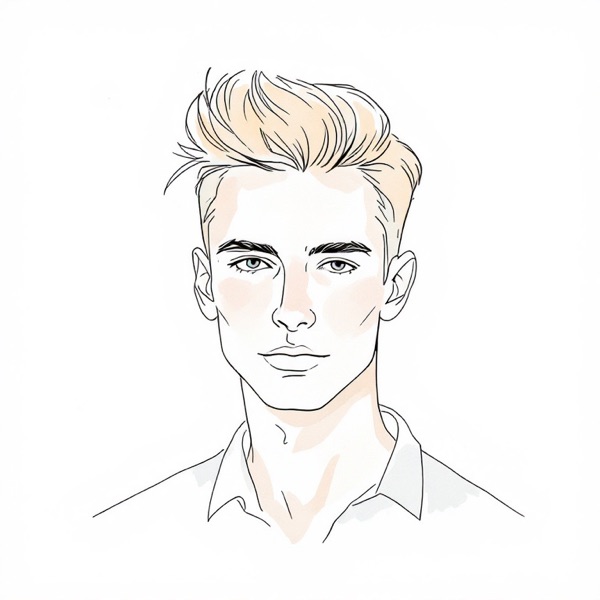
What haircut should I get? Start with your face shape
Most people who ask "what haircut should I get?" (or "what hairstyle should I get?") have already scrolled through hundreds of photos and still can't tell which ones will work on them. The missing piece is usually the outline of the face underneath the hair. The same bob that sits neatly on one person can make another face look wider or longer, because a haircut changes where the eye finds edges and volume.
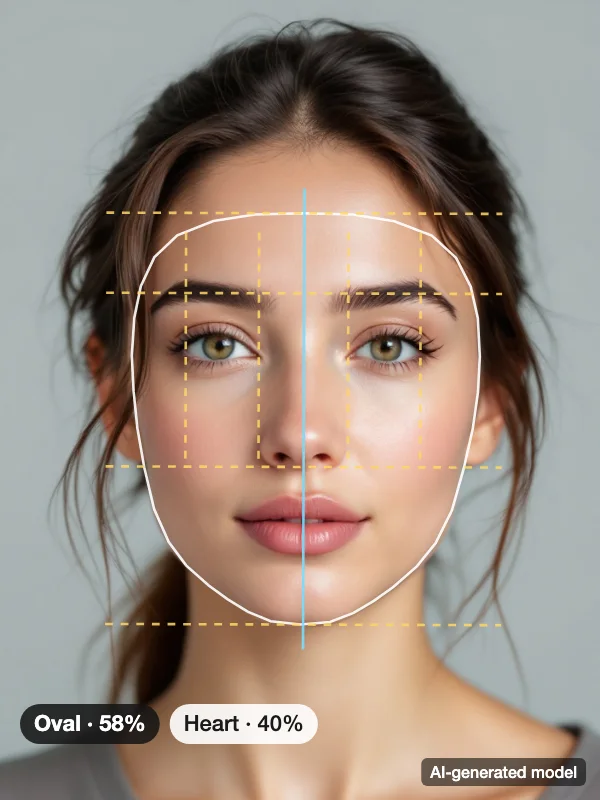
This page starts from your outline. The scanner above maps 478 points on your face in your browser, measures the face's length against its width, compares the widths at the forehead, cheekbones and jaw, and reads the angle of the jaw. From those numbers it places you among the seven face shapes: oval, oblong, round, square, heart, diamond and triangle. Then it shows the haircuts that suit that shape and the ones people with your shape often skip.
A face shape is not a verdict on your face, and no shape is better than another. It is a way to predict what a cut will do: add height, add width, soften a corner or make a line stronger. Once you know that, the question stops being "which of my saved photos do I copy?" and becomes "which cut moves my outline the way I want?"
How the scanner picks haircuts for you
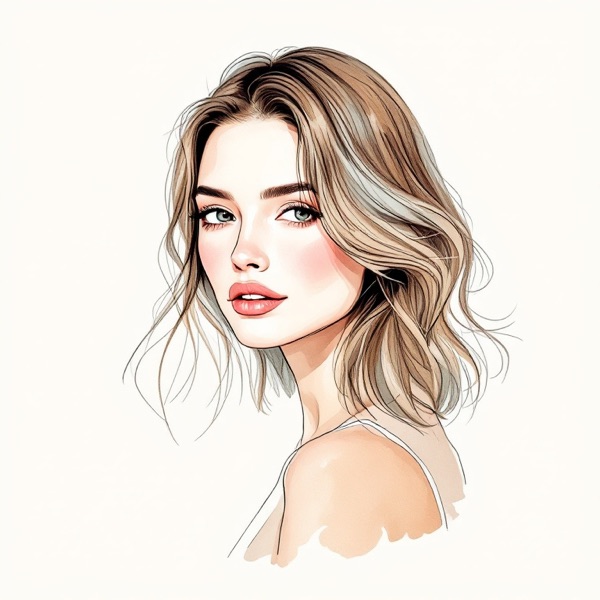
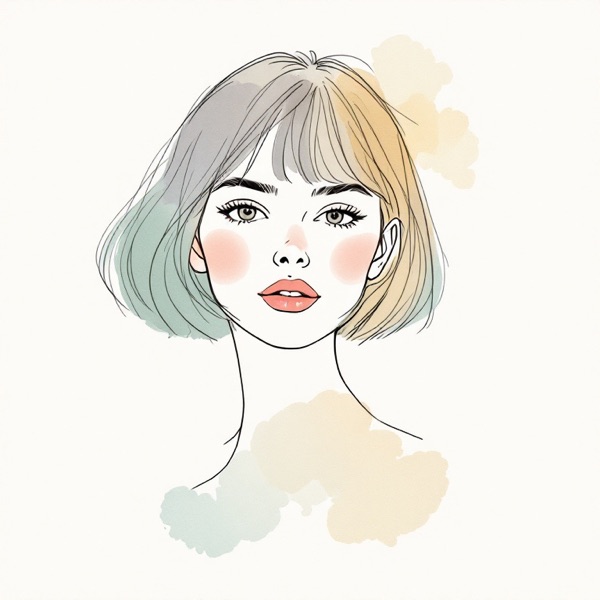
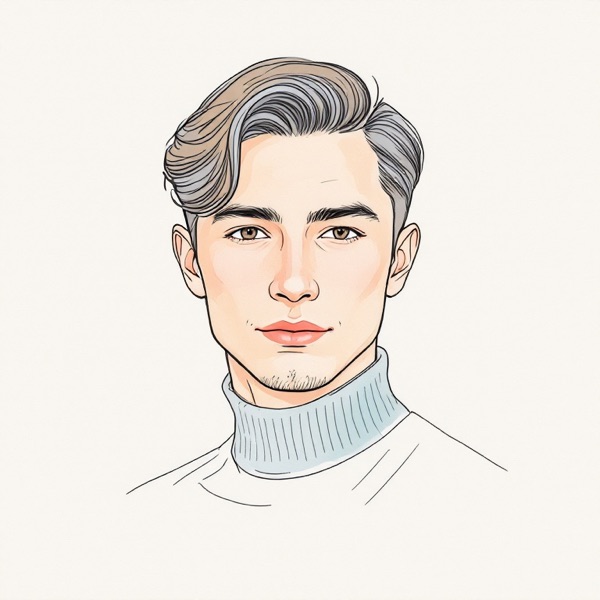
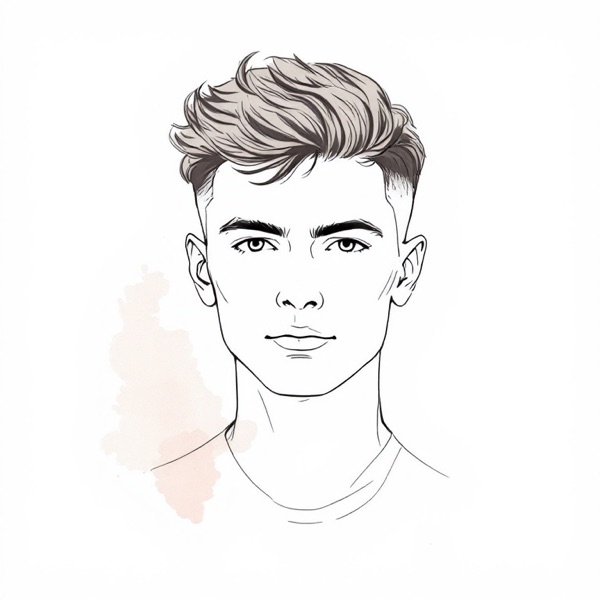
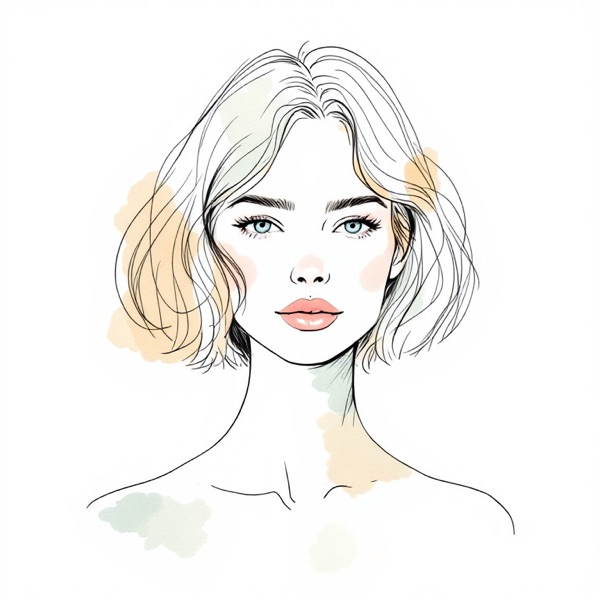
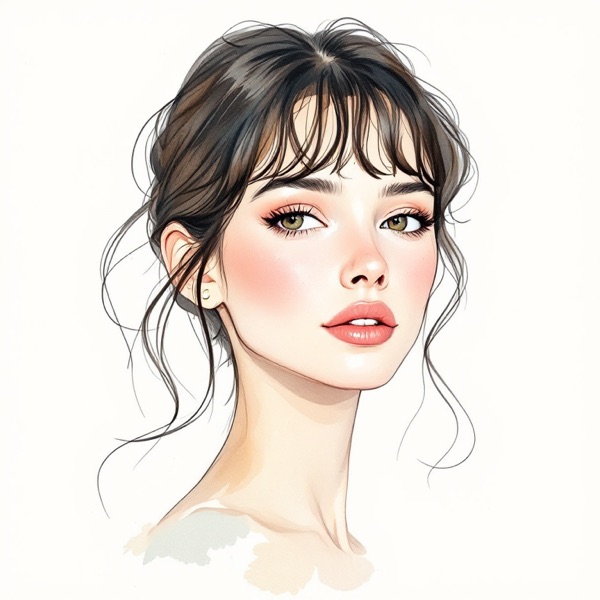
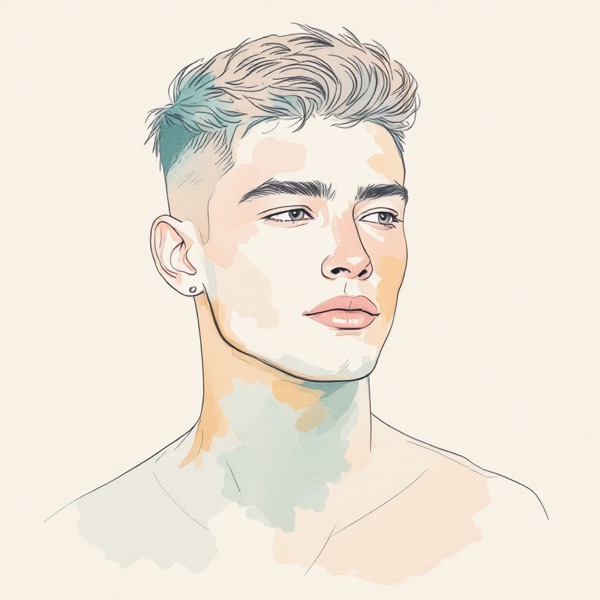
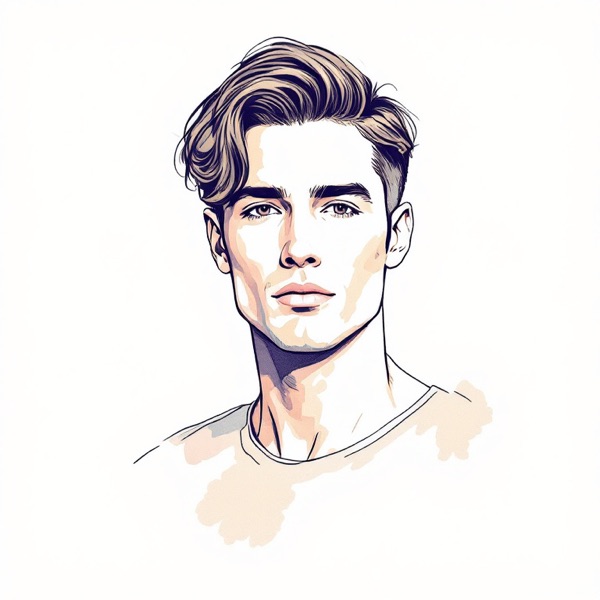
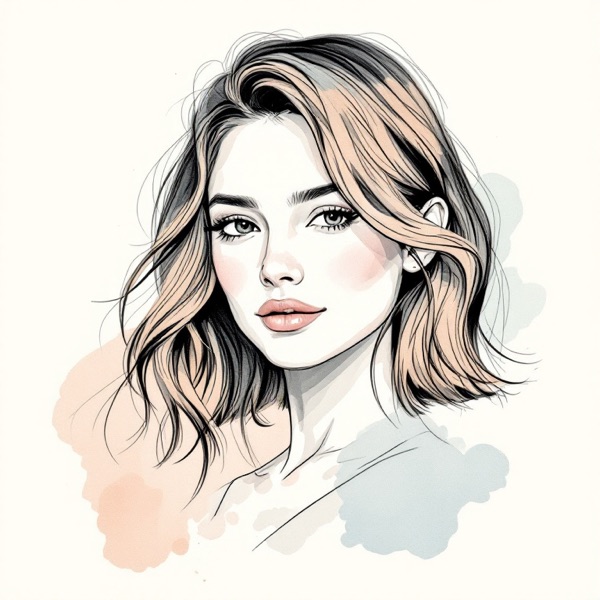
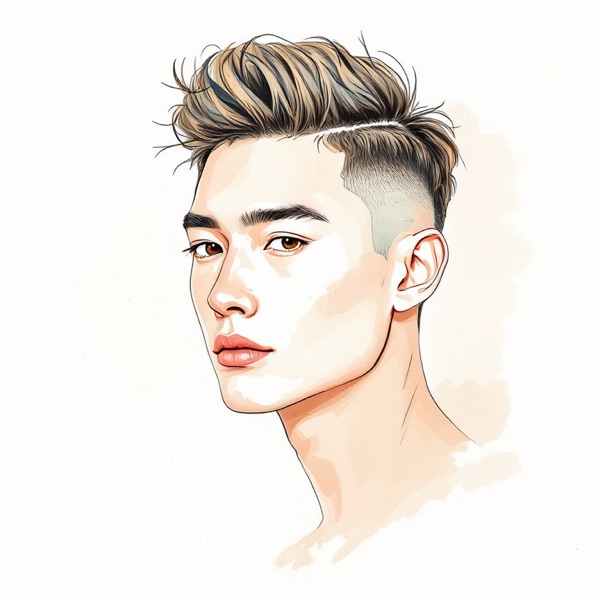
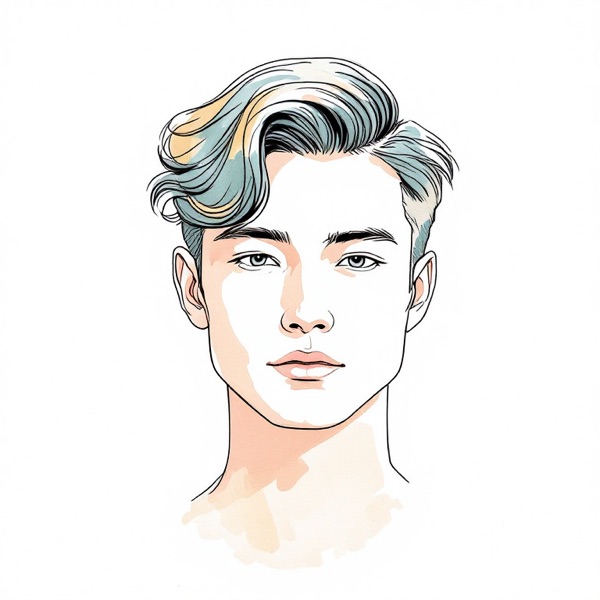
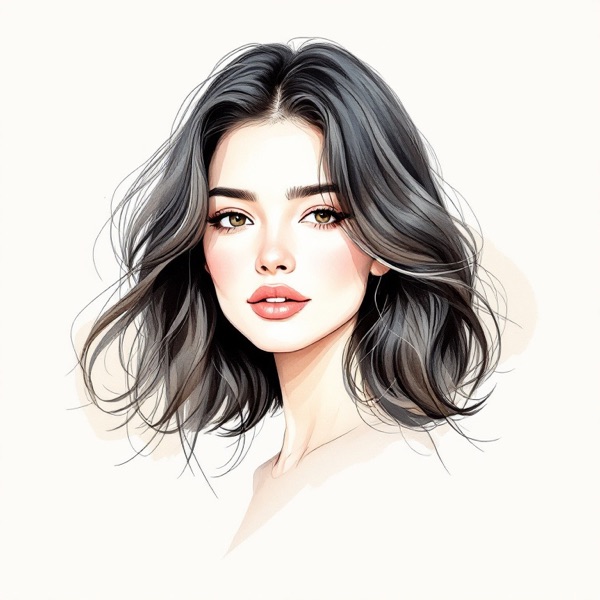
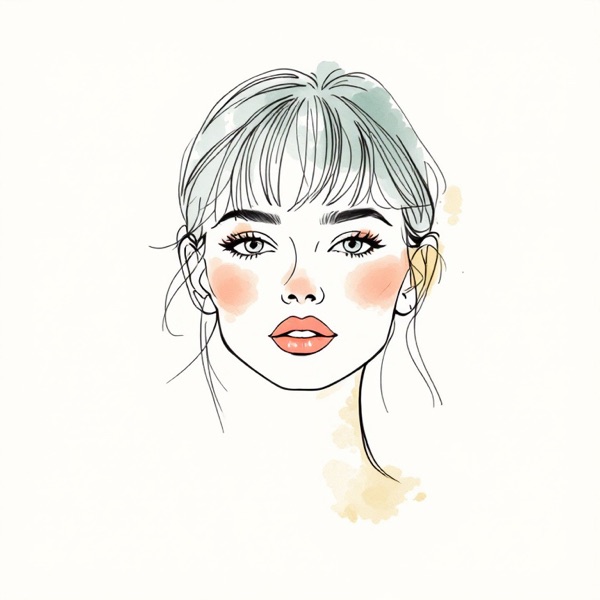
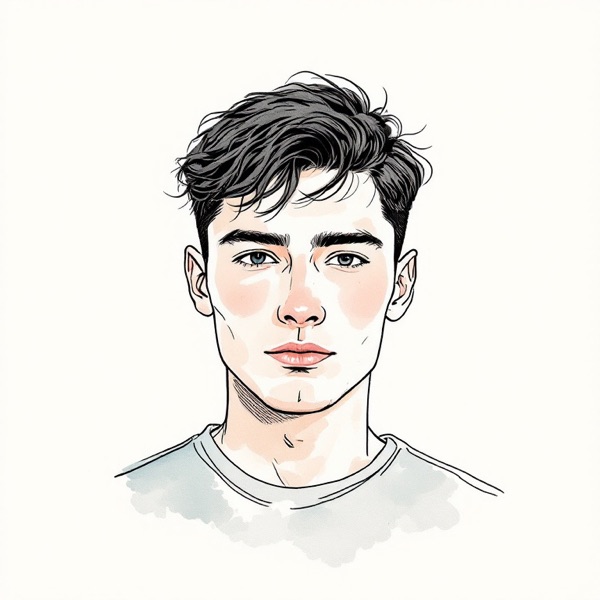
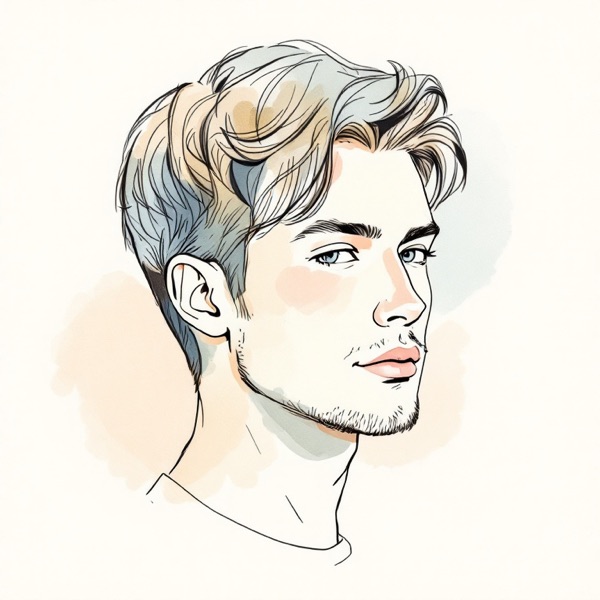
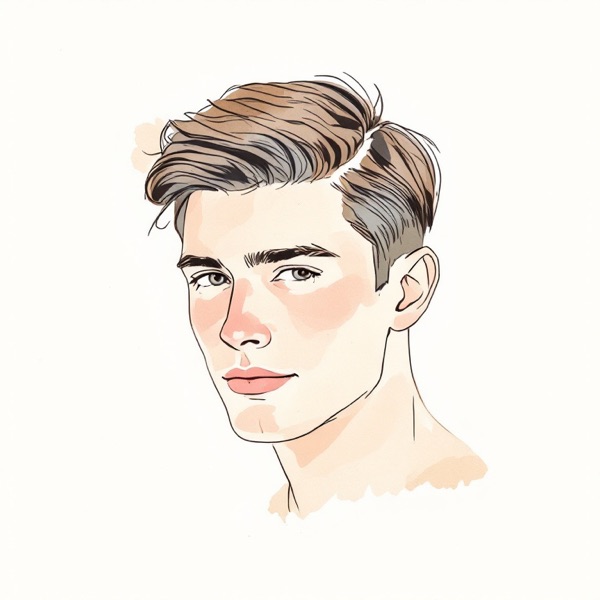
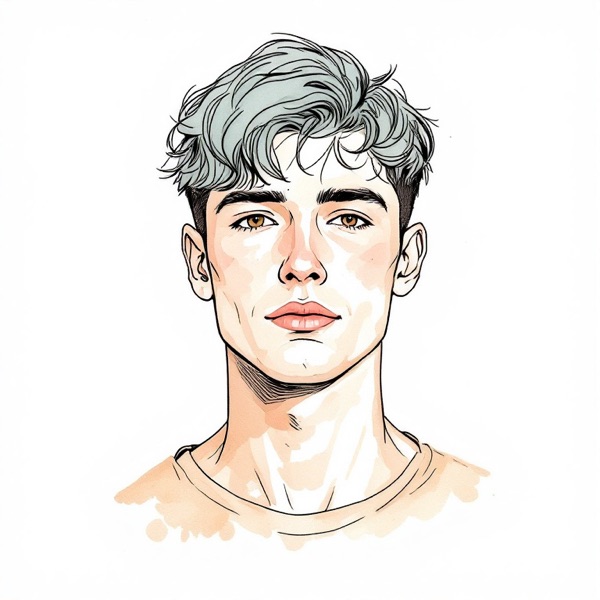
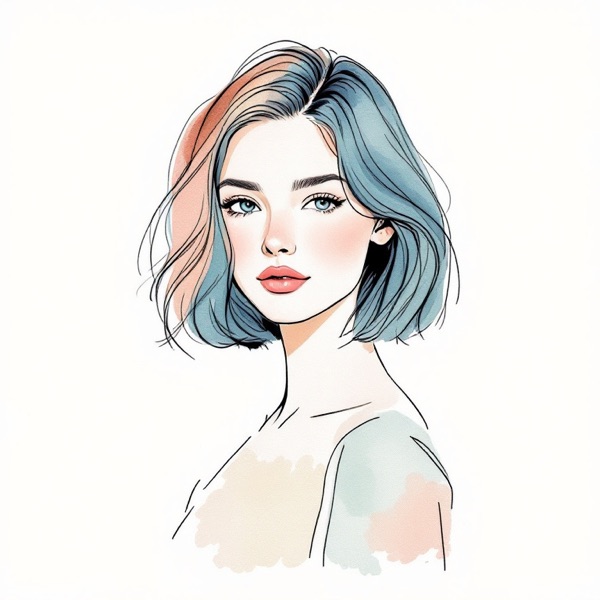
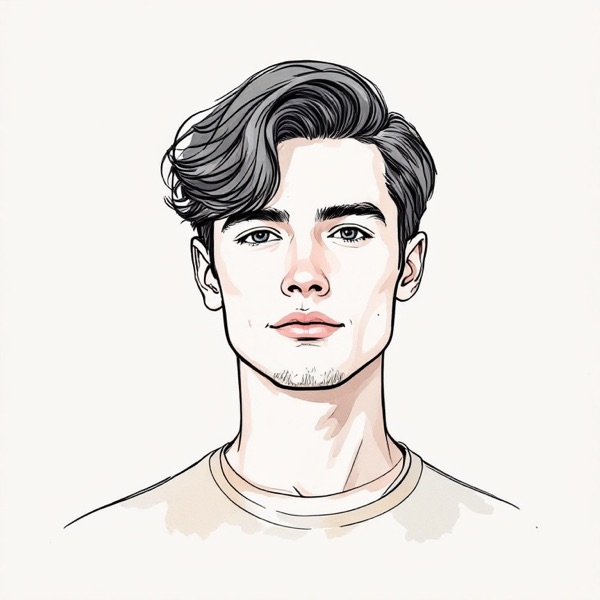
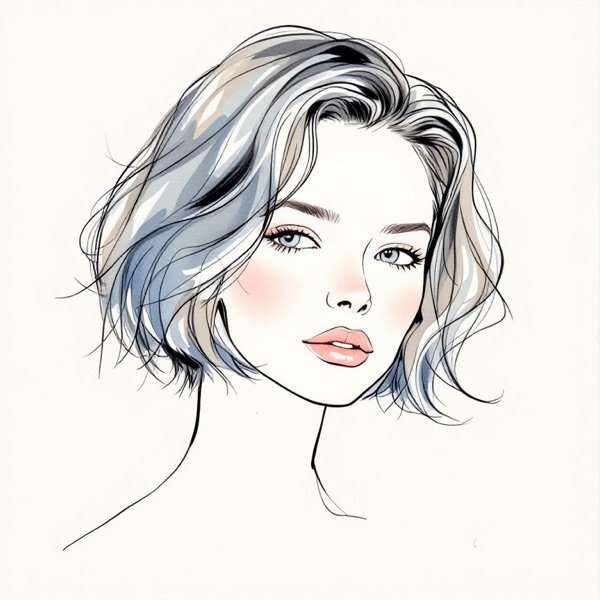
Scan from this page and the result answers "what haircut should I get?" in order. It leads with your shape and how sure the measurement is. If your top two shapes are close, you will see "Between" and both names, with the share of each. Right below come the haircuts for your shape, in three short lists: cuts for women, cuts for men, and cuts that are often skipped. Each card is a drawn example with one sentence on why it works for that outline.
The picks are not random suggestions. They come from the same styling library the full report uses, written per shape: cuts that add height and length for a round face, cuts that add width for an oblong face, soft layers for a square jaw, fullness near the jaw for a heart shape. The free result shows the first few; the report lists every cut in the library for your shape with the reasoning, and adds glasses, beard, outfit and color notes.
Your photo stays on your device the whole time. Measurements happen in the browser, and only the result you see is kept, in this browser, for 24 hours.
Quick answers by face shape
Here is the short answer to "what haircut should I get?" for each shape, taken from the same library as the drawn examples above. Use it as a starting point, then check the examples for the outline each cut creates.
- Oval: balanced proportions take most cuts. Long layers, a lob or curtain bangs for women; a classic side part or textured crop for men. Heavy blunt bangs are the one common miss, because they shorten a face that is already in proportion.
- Round: add height on top and length below the chin. Long layers, a side part with crown volume or an asymmetric lob; a textured crop with height, a side part with volume or a quiff. A chin-length blunt bob adds width exactly where the face is widest. More cuts are in the guide to hairstyles for a round face.
- Square: soften the jaw corners. Long layers with waves, side-swept bangs or a lob with soft ends; a soft textured crop or a side part with texture. A blunt bob that ends at the jaw repeats the straight line.
- Heart: bring fullness toward the jaw and keep the forehead calm. A chin-length bob, side-swept bangs or long waves below the jaw; a side part with medium volume or a textured fringe crop. A high top knot pulls the eye up to the widest part.
- Oblong: add width, keep height low. A chin-length bob, curtain bangs or side-swept waves; a low textured crop or a low-volume side part. Long straight hair with no layers stretches the face further.
- Diamond: widen the forehead and the chin line so the cheekbones sit in balance. Side-swept bangs, a chin-length bob with volume or curtain bangs; a textured fringe crop or a side part with fringe. A slicked-back ponytail puts all the width at the cheekbones.
- Triangle: build volume at the crown and temples to match the jaw. Layers with crown volume, side-swept bangs or shoulder length with crown lift; a textured crop with height or a quiff. A chin-length blunt bob adds weight at the jaw.
Beyond face shape: texture, density and routine
Face shape tells you the direction; your hair decides which version of a cut you can actually wear. Before you settle on an answer to "what haircut should I get?", check three things.
Texture. Straight hair shows every line of a cut, so precise shapes like a blunt bob or a sharp fringe look exactly as cut. Wavy hair adds movement and a little width, which helps an oblong face and can crowd a round one. Curly and coily hair shrinks as it dries and grows outward as much as down, so a cut that suits your shape should be measured dry and shaped curl by curl, keeping the widest volume away from the widest part of your face.
Density and thickness. Fine or thin hair looks fuller in shorter, blunter lengths with only light layering; long layers can leave the ends looking sparse. Thick hair usually needs weight taken out inside the cut, or a chin-length style can puff into a triangle.
Routine. Be honest about the minutes you will spend each morning. Curtain bangs need a quick blow-dry to fall right; a textured crop needs product; a pixie needs a trim every four to six weeks. The best haircut for your face shape is still the wrong one if it only looks right on the day of the appointment.
What haircut will look good on me? Test it before you cut
A cut is hard to undo, so it pays to test the outline first. The drawn examples on this page let you compare shapes side by side. You can also try a quick at-home test: pull your hair back, then use your hands or a scarf to block out the length and width a new cut would add, and look straight into a mirror at eye level.
When the hairstyle try-on is open, you can go one step further and see a chosen cut on a live selfie of you. The selfie is sent only to generate that preview and is never stored, and the result is labeled AI-generated. It shows the direction a cut takes your outline, not the exact result, since your stylist will adapt the cut to your hair.
If you are between two shapes, start with a cut both lists share. Curtain bangs, side-swept bangs and long layers appear for several shapes, which makes them a safe first step that you can grow out or shorten later.
How to ask your stylist for the cut
Once you know what haircut you should get, bring two or three reference photos of the cut on hair like yours: similar texture, similar thickness. Then describe the outline you want in plain words, because names vary between salons. For example: "I have a round face and want height at the crown, with length below my chin," or "My face is long, so I want width at the sides and not much height on top."
Ask how the cut will grow out, how often it needs a trim and what you will need to style it. A good stylist will adjust the cut to your hairline, cowlicks and part, which no photo shows. If you are unsure, ask for a longer version first; it is easy to take more off at the next visit, so the answer to "what haircut should I get?" can change a little at a time.
Men: what haircut should I get?
For men the same logic applies, mostly through the height on top and the length at the sides. A round or triangle face gets taller with a textured crop with height or a quiff, while an oblong face looks more balanced with a low textured crop or a French crop that keeps height down. Square faces suit soft texture over a hard line. Heart and diamond faces both do well with a forward fringe, for opposite reasons: on a heart face it covers part of the wide forehead, and on a diamond face it adds width where the forehead is narrow.
Fades and tapers change the picture too. A high skin fade with a tall top lengthens the face, which helps a round face and works against an oblong or diamond one. A low taper with fuller sides does the opposite. For beards, glasses and more cuts for each shape, see the face shape men guide.
Updated 2026-09-28