Square face shape: a jaw as wide as the cheekbones
A square face shape has a strong, angular jaw about as wide as the cheekbones, on a face that is not much longer than it is wide. The jaw measures at least about 0.9 times the cheekbone width and turns a defined corner below each ear, and the forehead may be close to the same width, so the sides of the face run fairly straight. Measured from hairline to chin, the length is at most about 1.3 times the cheekbone width.
Whether you call it a square face or a square shaped face, the name describes widths and angles, nothing more. Guides often pair it with round, since both are short compared with their width; the difference is mostly in the jaw.
Start with the jaw: how to check
A square face shape is defined more by its jaw than by its length, so measure the jaw first.
- Measure your jaw width from one jaw corner, just below the ear, to the other.
- Measure your cheekbone width across the widest part of the cheekbones.
- Measure your face length from the center of the hairline to the bottom of the chin, and your forehead width at the brow line.
- In a mirror, follow your jawline from the ear toward the chin. A square jaw turns a visible corner; a round one curves smoothly.
If your jaw is at least about 90% of your cheekbone width, the corners are angular and the length is no more than about 1.3 times the cheekbone width, the measurements point to square.
The face shape detector measures the same widths, plus the angle of the jaw corners, from a selfie. It uses 478 landmark points placed in your browser, and the photo is not uploaded. Two notes on the result. The face mesh starts at the top of the visible forehead, so the tool estimates the hairline before working out the length, and the length ÷ width number in the free result is the raw on-screen ratio, which reads lower than a tape measure. And the rules are early, still being tuned on annotated test photos; when two shapes are close, you get "Between X and Y" instead of a forced call.
Square, round, oblong or triangle?
Three neighboring shapes share part of the outline of a square face shape, and one measurement usually tells each of them apart.
- Square vs round. A round face has a similar length but soft jaw corners, and its jaw is a little narrower than the cheekbones. When the corners are hard to read, a scan may show Between Round and Square.
- Square vs oblong. An oblong face has the same even widths but is clearly longer, at least about 1.5 times the cheekbone width. A long face with a square jaw is what some guides call a rectangle; the detector files it under oblong.
- Square vs triangle. If your jaw is at least as wide as your cheekbones and your forehead is the narrowest of the three widths, the outline is closer to a triangle face.
Hairstyles for a square face shape: soften the corners
Most advice for a square face shape works in one of two ways: it adds curves near the angles, or it lets lines pass the jaw, or stop well above it, instead of ending on it.
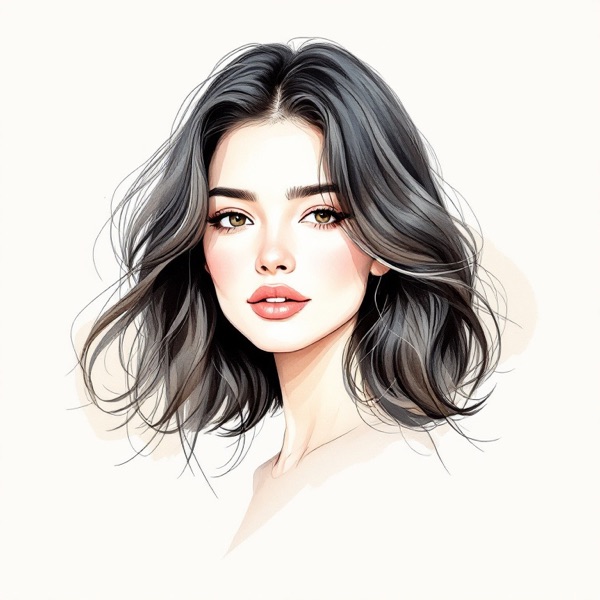
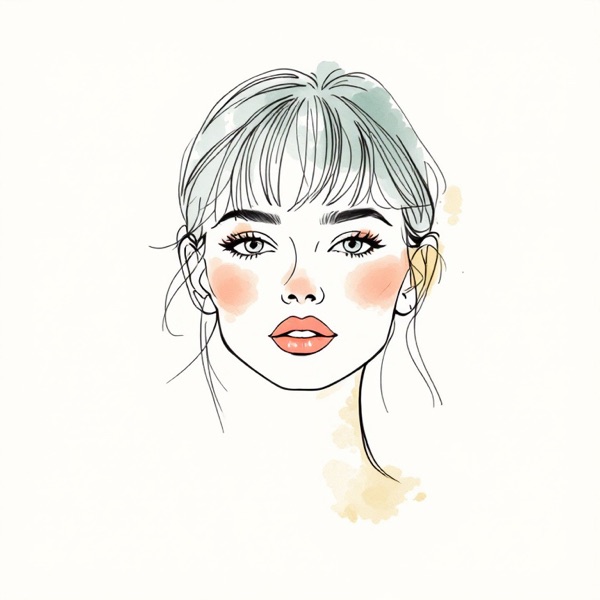
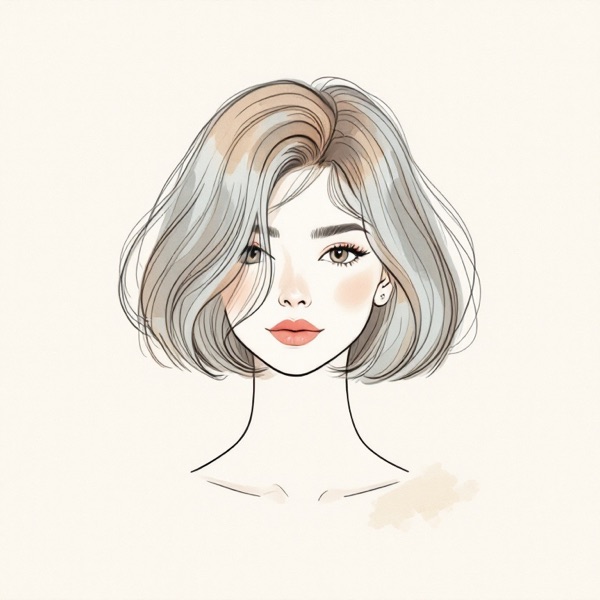
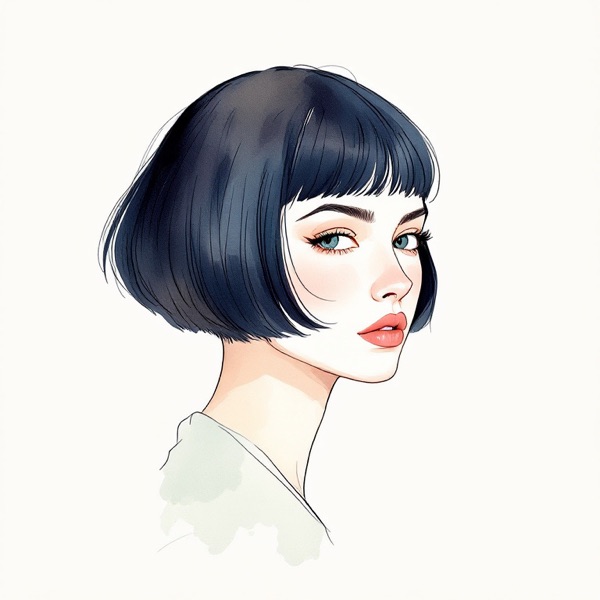
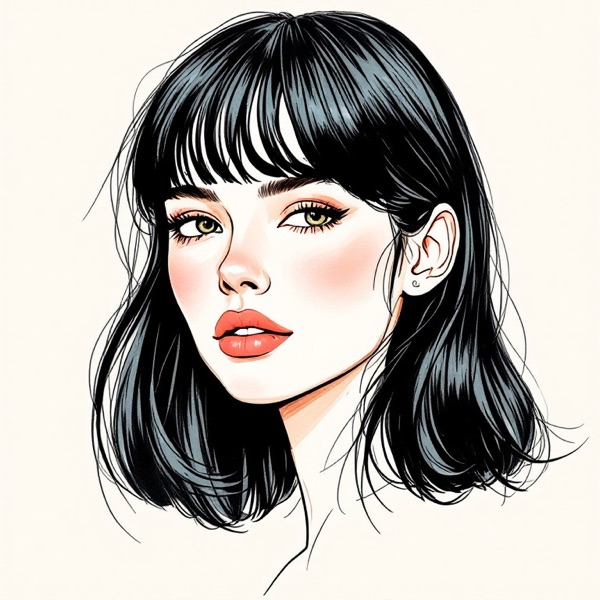
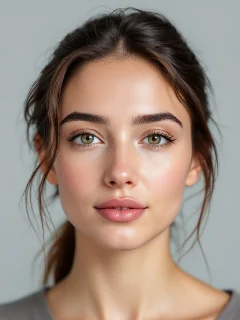
Women's hairstyles. Length that keeps moving past the jaw softens its corners on the way down. Long layers with waves are the simplest version: ask for layers that begin at or just below the jaw, so the fullest part of the hair falls under the corners rather than level with them. A lob with soft ends, cut to about collarbone length with feathered tips, does the same with less hair to style. Side-swept bangs draw a diagonal across the forehead corners, and curtain bangs, parted in the middle, add a curve around the temples. Soft curls and a layered shag break up the straight lines of the outline with movement. When you wear your hair up, leave a few face-framing pieces loose, since a tight, slicked-back style pulls everything flat and shows each corner.
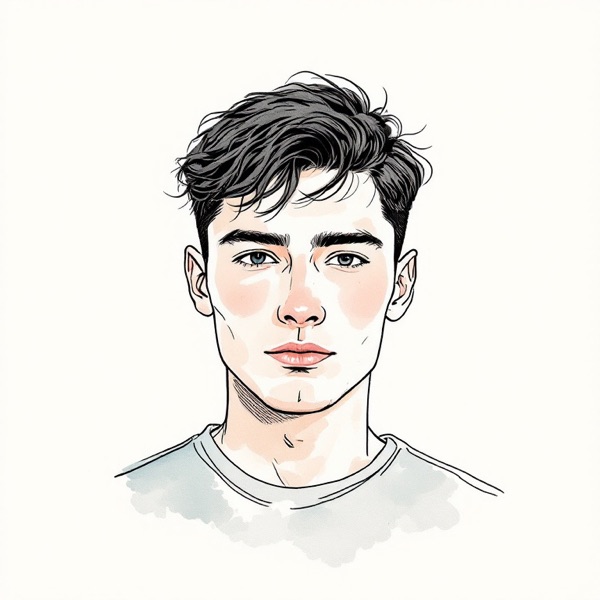
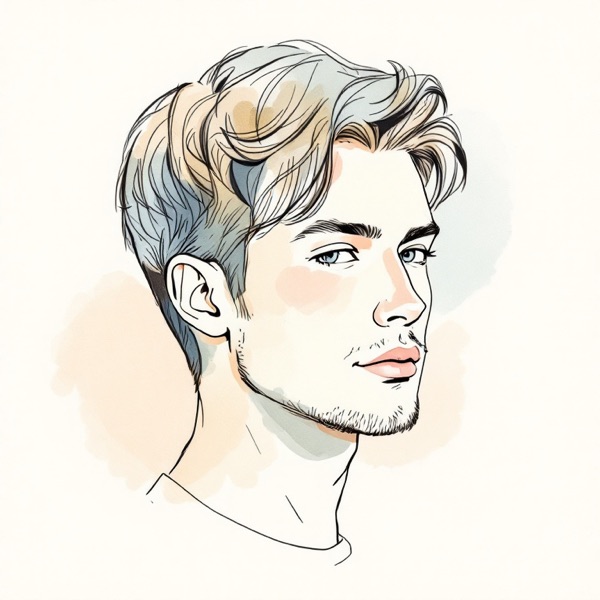
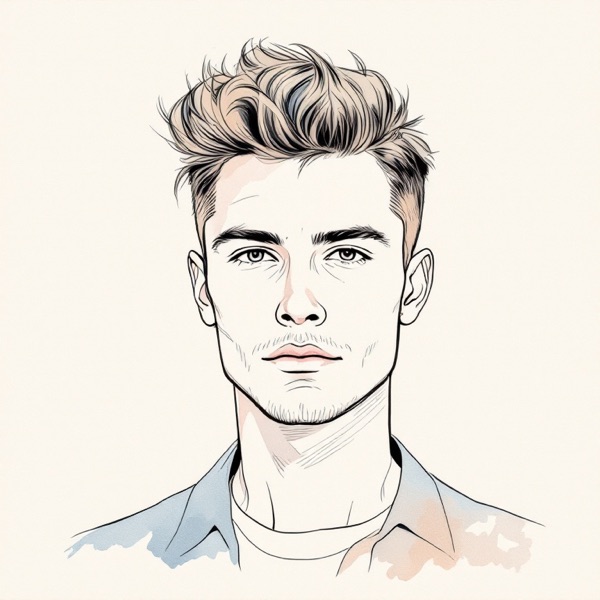
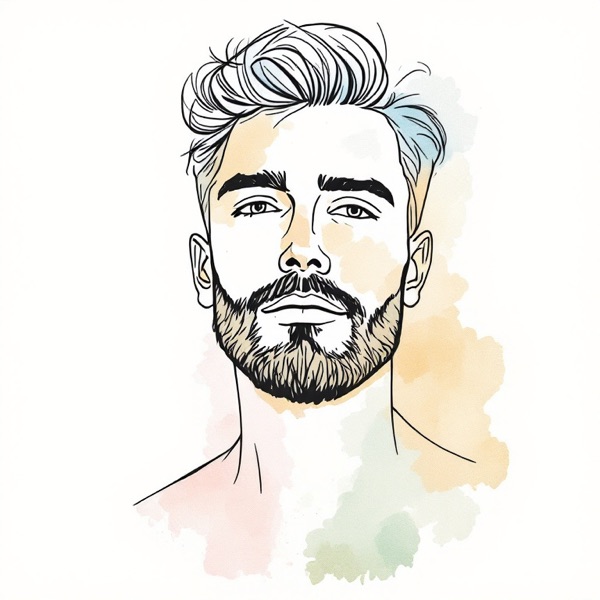
Men's hairstyles. Short cuts suit a square face shape when their edges stay soft. A soft textured crop keeps texture on top and avoids sharp geometric lines, and a side part with texture, combed in loosely rather than shaved in with a razor, reads softer than a hard line. A messy quiff adds lift with movement, so it brings a little height without adding angles. Grown out, medium-length waves around the ears break up the jaw's straight lines, and a curtain fringe adds curve at the temples. For a classic short cut, ask for a rounded crew cut, where the barber rounds off the corners between the top and the sides instead of squaring them. A matte product that leaves visible texture keeps the finish soft; a high-shine gel presses hair into hard lines.
Natural texture. Waves, curls and coils already break up straight lines, so on a square face shape they often need only a shaping cut that keeps the fullness below the jaw corners. If your hair is very straight, loose waves from a curling iron give the same softness for a day, without committing to a new cut.
What to skip. The cuts that work against this shape repeat its outline. A blunt bob that ends right at the jaw doubles the jaw's horizontal line, and heavy straight bangs draw another hard edge across the forehead. On short hair, a flat top squares off the head to match the jaw, a buzz cut with a sharp line-up adds corners at the hairline, and slicked-back hair with a hard part turns the whole look into straight lines.
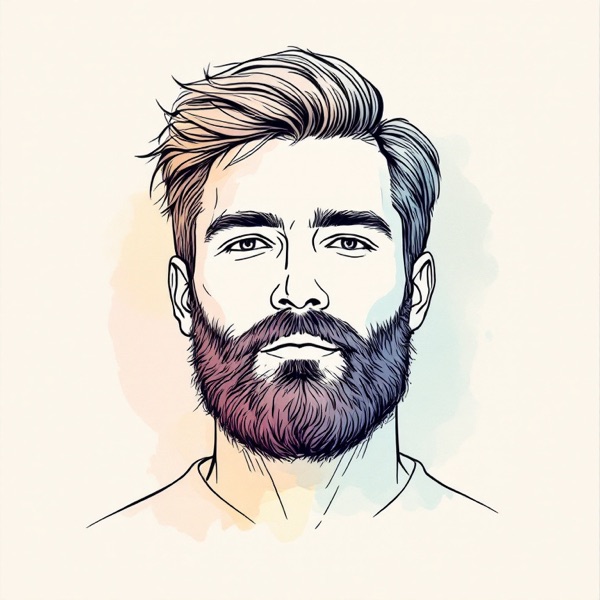
Beard. A beard can redraw the jaw. A rounded full beard softens the corners, a circle beard draws a curve around the mouth, and stubble with a soft, faded neckline blurs the edge of the jaw. Keep the cheek line natural or gently curved too, since a sharp, squared-off line repeats the angles.
Accessories for a square face shape: curves
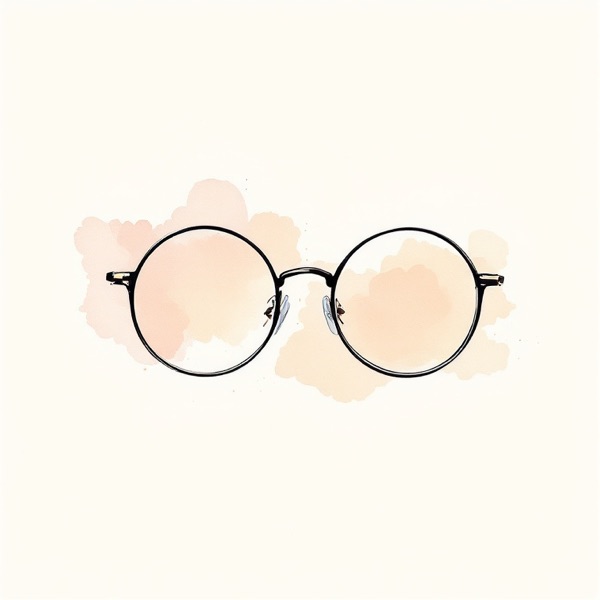
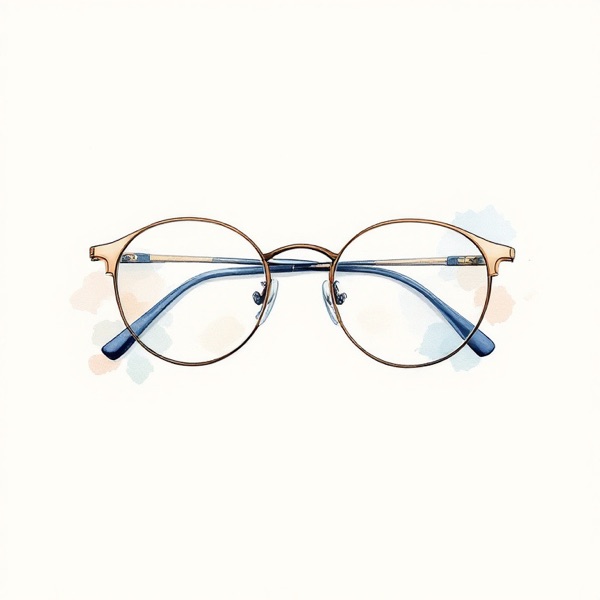
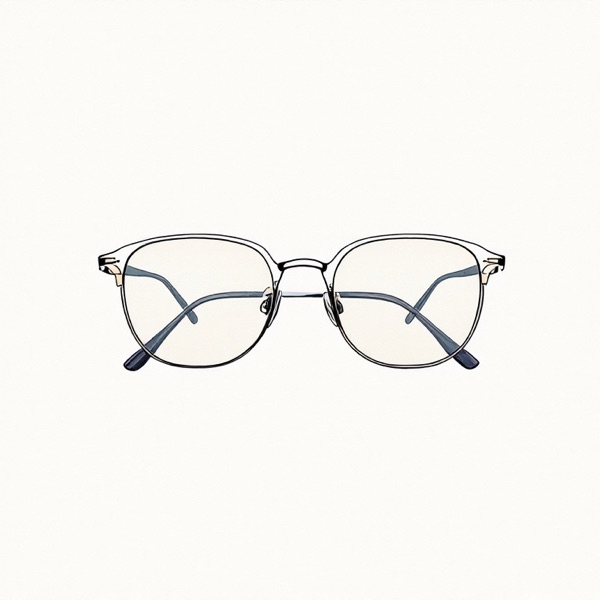
Glasses. Curved frames give the clearest contrast with the angles of a square face shape. Round frames soften the outline the most, oval frames add curve without going fully round, and thin rims with rounded corners keep the look light if fully round lenses feel like too much. Aim for a frame about as wide as your cheekbones, since a very narrow one makes the jaw look wider by contrast. Square frames repeat the jaw's angles, and heavy rectangular frames add a thick straight bar at the same width as the jaw, so both work against the curves you add elsewhere. The same shapes carry over to sunglasses, where round or oval lenses keep the effect at a larger size.
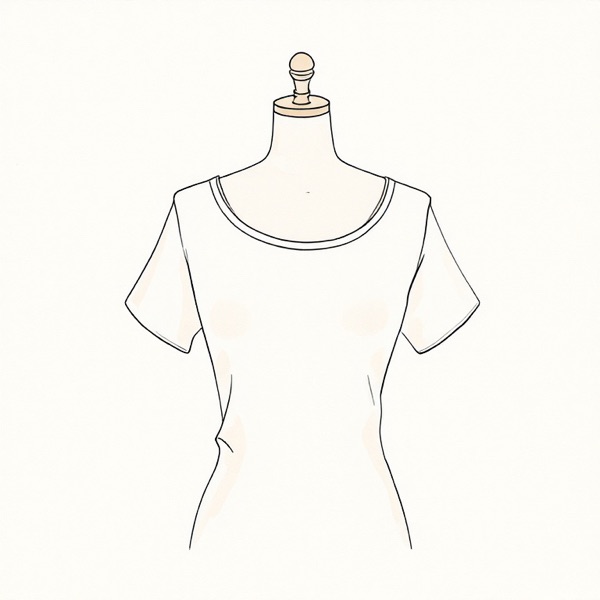
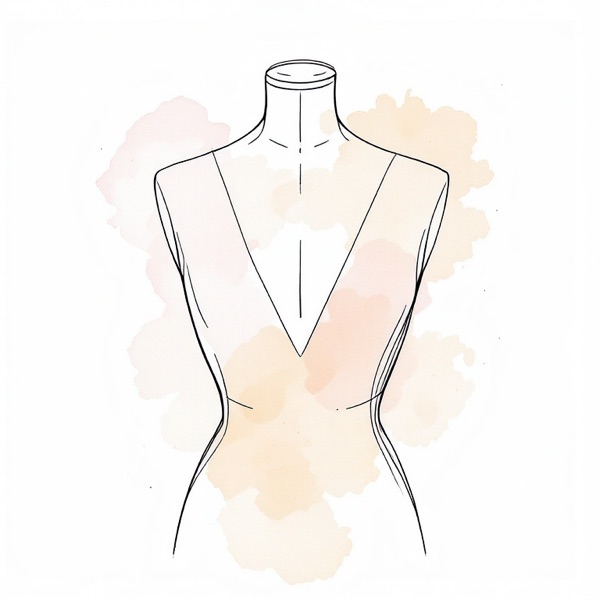
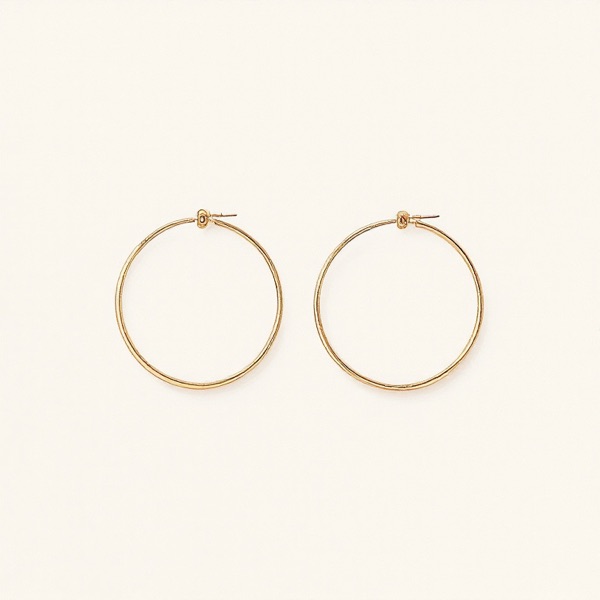
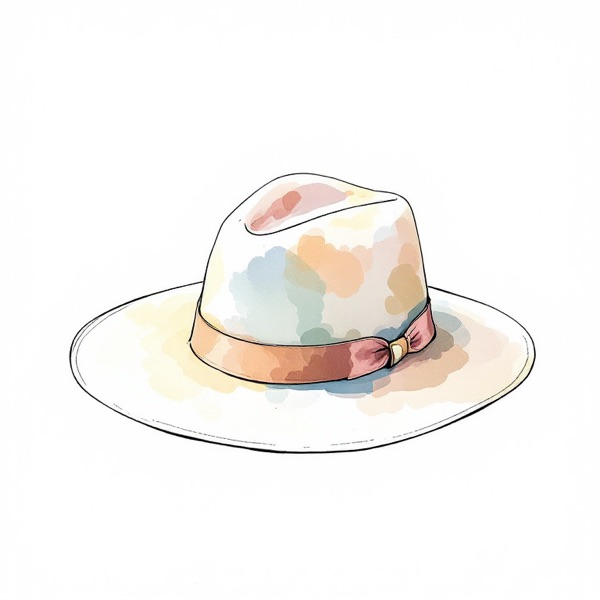
A scoop neck or a club collar with rounded points brings curves close to the face, and a V-neck draws the eye down and away from the jaw while adding a little length. A boat neck repeats the jaw's horizontal line, and a square neckline repeats the outline. Earrings hang right beside the jaw corners, so their shape counts: round hoops, teardrops and curved drops soften the outline, while square studs and angular geometric earrings add more corners. A hat with a rounded crown or a floppy brim adds softness, while a flat-brim cap adds straight lines.
For makeup, shade the corners of the jaw and the outer forehead, then highlight down the center: forehead, under the eyes and chin.
Light and pose: why photos change a square jaw
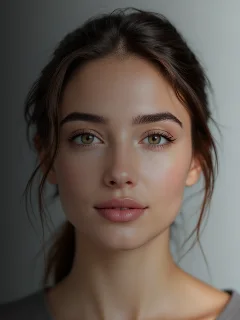
Lighting and pose change how angular a jaw looks. Hard side light deepens the shadows at the jaw corners, and hair falling over the jaw can make a square face shape read as round. A clenched jaw, a tilted head or a phone held close changes the outline too. For the scan, place the camera about 1 m (3 ft) away at eye level, face it straight on with a relaxed jaw, pull your hair back and use soft, even light.
In everyday photos, turning slightly off center, so one jaw corner is nearer the camera, reads softer than straight on, and diffuse light softens the jaw shadows.
Updated 2026-09-26